Beans are a cornerstone of a plant-based diet and we think they don’t get nearly enough credit
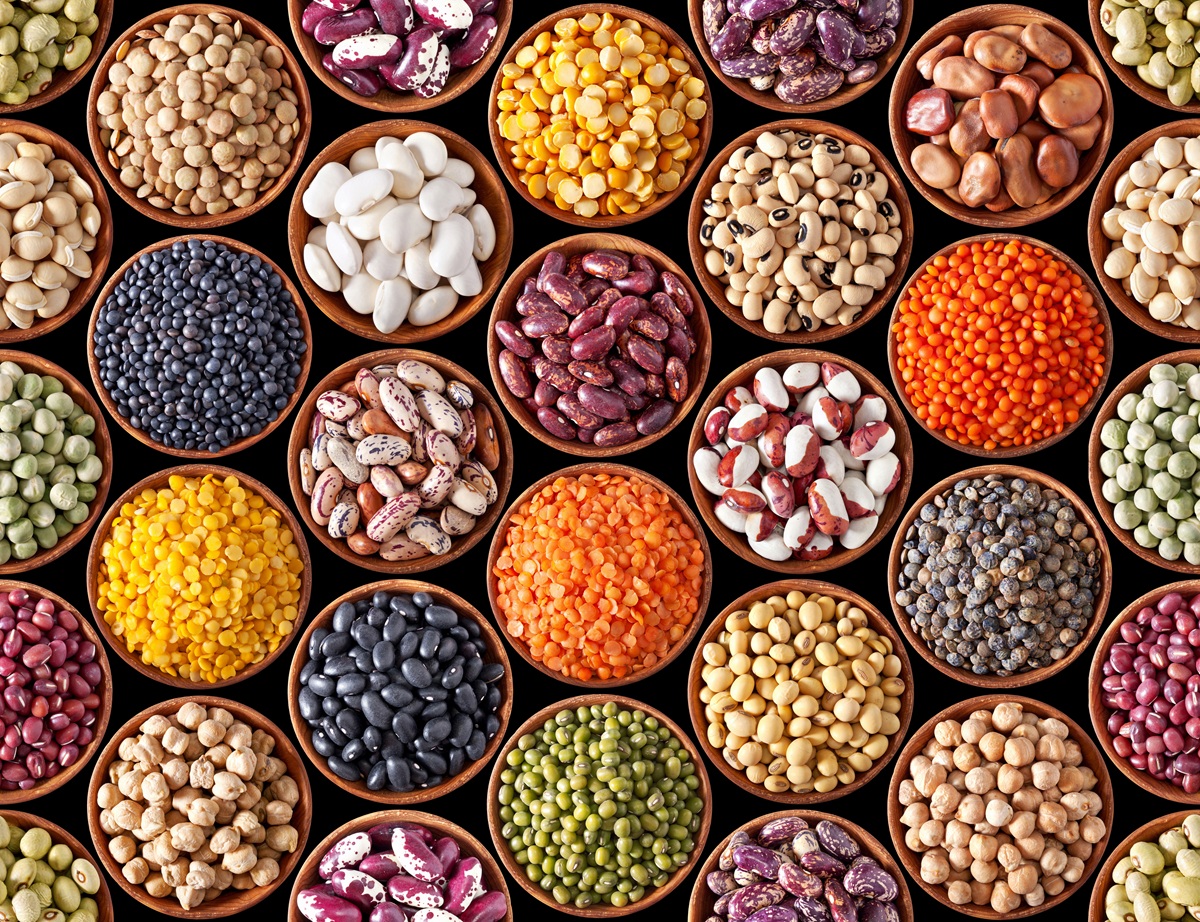
What’s so brilliant about beans? Beans belong to the pulse family, a group that also includes lentils, chickpeas and dried peas.
They’re packed with good stuff like protein, fibre, iron, zinc, folate and potassium, they’re endlessly versatile (swapping meat for beans can work surprisingly well in some dishes), and they’re cheap too.
We’re sure you’ve heard of “fibremaxxing” by now and beans are fibre powerhouses.
If beans aren’t already a kitchen staple for you, here’s why you should be eating more and how to cook with them.
What are the health benefits of beans?
Eating beans regularly is linked to better heart health, steadier blood sugar, improved digestion and healthier body weight, and that’s before you even get to how much protein and fibre they pack in.
This is exactly why beans have become central to “fibremaxxing”, the trend that has taken over social media in recent years. Fibremaxxing just means making a conscious effort to eat more fiber and most people don’t get anywhere near enough of it.1
The good news is that fixing this doesn’t need supplements or special products – just more of the right foods. Beans are one of the easiest ways to get there, since they deliver fibre and protein in the same mouthful.
Whether you’re already vegan or have been eating more plant-based meals, there’s a good chance your fiber intake has gone up without you even noticing.
- Beans support heart health – Research shows that eating beans, peas and lentils at least four times a week can help lower cholesterol and support long-term heart health, particularly when they take the place of foods high in saturated fat.2 Veganuary participants often tell us that their cholesterol levels reduced as a result of eating plant-based.
- Beans help manage blood sugar – Pulses have a low glycaemic index, meaning they release energy slowly rather than spiking blood sugar. The combination of complex carbohydrates and fibre in beans helps to keep blood sugar in check.3
- Beans support digestion and may lower cancer risk – The fibre in pulses is essential for gut and metabolic health and eating fibre daily is linked to a lower risk of bowel cancer, heart disease and type 2 diabetes. Research also shows that people who have a good fibre intake have lower rates of conditions such as bowel cancer. 4
- Beans are source of plant-based protein as well as fibre – A cup of cooked chickpeas provides around 14.5 grams of protein and 12.5 grams of fibre, alongside iron, zinc, folate and potassium. If you’re after a nutrient-dense food, beans should top your list.
- Beans help with weight management – Beans offer satiety, making us feel fuller for longer, thanks to the fibre and protein combination.
How much should you eat?
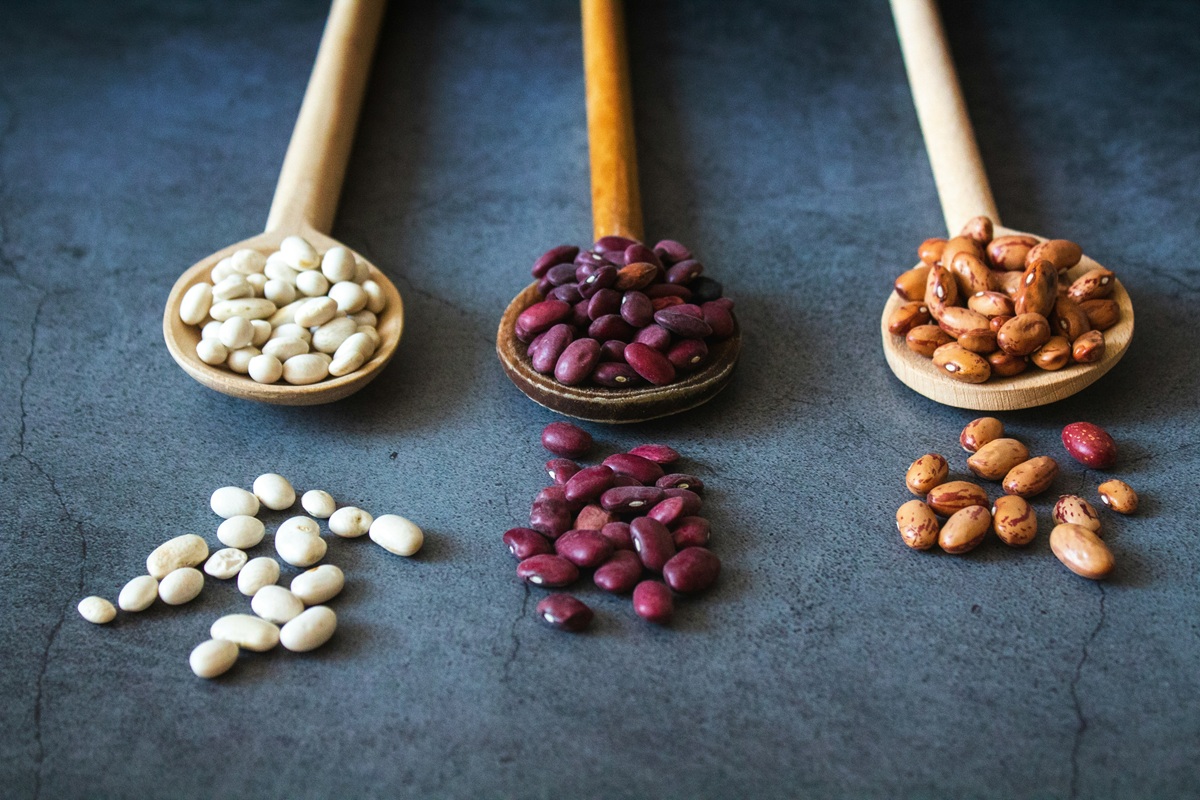
The Daily Dozen Checklist by Dr Michael Greger recommends three servings of beans every day. A serving is:
- 60g hummus or bean dip
- 130g cooked beans, split peas, lentils, tofu or tempeh
- 150g fresh peas or sprouted lentils
Use this as a guideline to help you incorporate more beans into your everyday meals.
Types of beans and what to use them for
With so many varieties to choose from, it helps to know which beans suit which dishes.
- Kidney beans – Ideal for chilies, stews and rice dishes. Try this delicious chili non carne recipe to get started.
- Black beans – They have an earthy flavor and work well in Mexican-style dishes, burrito bowls, tacos and bean burgers. Try these sweet potato and black bean burger patties.
- Cannellini and butter beans – Their softer, creamier texture means they’re brilliant blended into soups, mashed into dips, on toast or in a salad. This garlicky butterbean toast topper is a breakfast hit.
- Chickpeas – Probably the most versatile of all! Roast them in the oven for a crunchy snack, blend them into hummus or use them in curries and salads. Smashed chickpeas make an incredible tuna alternative – perfect for sandwiches.
- Edamame (young soybeans) – These protein powerhouses make a delicious snack and are easy to throw into stir fries and noodle dishes. Try this tofu and edamame stir fry for dinner.
- Pinto beans – They offer a creamy texture once cooked and are used widely in Mexican and Tex-Mex cooking, particularly refried beans, chilli and soups. Give this pinto bean soup a go.
- Haricot beans – The bean behind classic baked beans are also versatile in soups and stews. Here’s another vegan bean soup for you to tuck into.
- Broad beans – These beans bring an earthy flavor that works well in salads, pasta and dips. Why not try this broad bean hummus?
- Lentils – Red lentils are perfect for soups and dahls. Green and brown lentils work well in salads, bolognese-style sauces or veggie burgers. Puy lentils have a firmer bite and work wonders in a vegan shepherd’s pie.
- Split peas – Similar to lentils in how they cook down, so they’re ideal for soups and warming stews. Treat yourself to this comforting split pea curry recipe.
- Tofu and tempeh – We think they deserve a mention because they’re made from soybeans, although they behave quite differently. They take on the flavor of whatever they’re cooked in, so get creative with your marinades. Grill them, stir fry them, chuck them in the air fryer – the possibilities are endless!
Dried vs tinned beans: which is best?
Both have their place and it’s worth knowing how to get the best out of each.
Tinned beans are pre-cooked and ready to use straight away, just drain and rinse them under cold water. They’re the quickest option and a good place to start if you’re new to cooking with beans.
Dried beans take more planning but cost less and often have a better texture. Most benefit from soaking in cold water for several hours or overnight, then simmering in fresh water until tender. Cooking times vary by variety, so follow instructions on the packet.
Lentils and split peas don’t need soaking and cook in around 20 to 30 minutes. Once you’re comfortable cooking with dried beans, batch cooking a big pot at the weekend is one of the cheapest ways to prep your meals for the week ahead.
Before long, beans won’t be something you’re consciously trying to eat more of, they’ll be part of how you cook.
References
1. Food Foundation (2025). UK still failing to meet basic dietary guidelines. [online] Available at: foodfoundation.org.uk [Accessed 24 Sept. 2026].
2. Heart UK (2023). Beans. [online] Available at: heartuk.org.uk [Accessed 24 Sept. 2026].
3. Diabetes UK. (2017). Pulses and diabetes. [online] Available at: diabetes.org.uk [Accessed 24 Sept. 2026].
4. Oxford Brookes University (2025). Expert comment: Pulses each day could keep ill health at bay – so why aren’t we eating more of them? [online] Available at: brookes.ac.uk [Accessed 24 Sept. 2026].