How to choose the right non-dairy milk to make the perfect cuppa
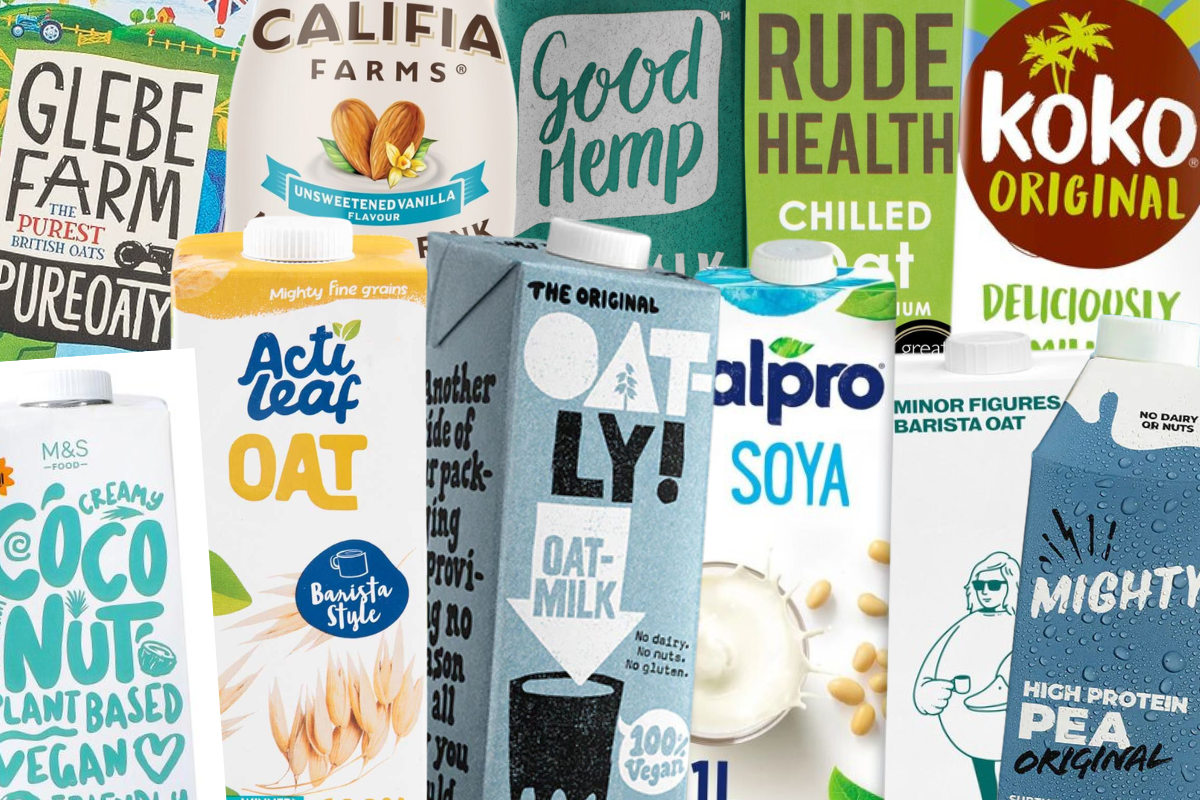
One-quarter of UK adults now drink some non-dairy milk, rising to one-third among 16 to 23-year-olds, according to Mintel survey data. With that many people making the switch, it helps to know which plant milk actually works best in a cup of tea.
As more dairy alternatives hit the shelves, it can be hard to decide which plant milk to go for. This guide breaks down how each one performs in tea so you can find the one that suits you.
Soya milk
Soya is one of the most established plant milks on the market, which means the formulas are well refined by now. It’s widely stocked and you can choose from supermarket own-brand and barista versions designed for hot drinks.
In tea, soya holds its own, rarely splitting and giving a colour close to dairy milk. It’s also one of the more nutritionally comparable options to cow’s milk, offering a similar protein content.
Soya milk brands to look out for:
- Alpro
- Grower’s Harvest
- Plenish
- Glebe Farm
- Rude Health
- Sojade
- Supermarket own-brand
Why it’s great: With a higher protein content than nut milks, soya is suitable for everything from baking to pre-gym smoothies. It’s often the cheapest plant milk variety, too.
Oat milk
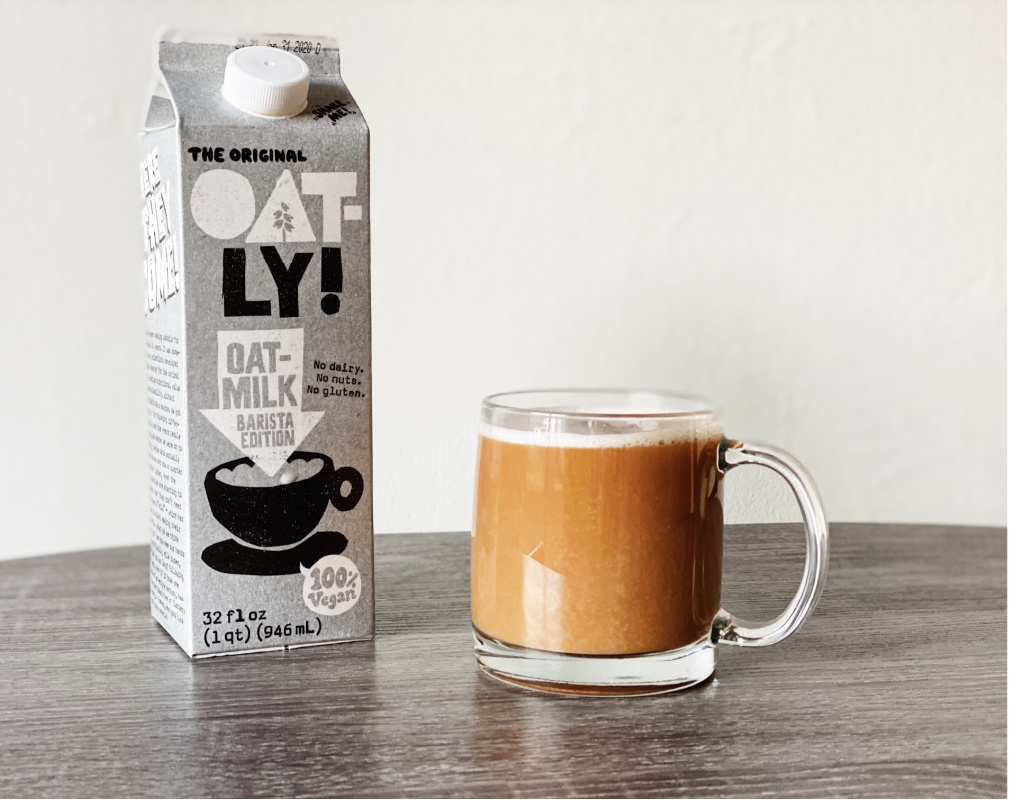
Oat has become the most popular plant milk in UK cafés, largely because it froths reliably and holds its texture in both hot and cold drinks.
In tea, it has a mild, sweet flavour that doesn’t overpower the tea itself and it won’t split. Barista versions have been specifically formulated to froth for hot drinks, too.
Oat milk brands to look out for:
- Oatly
- Alpro
- Glebe Farm
- Plenish
- Minor Figures
- Califia Farms
- Moma
- Oddlygood
- Supermarket own-brand
Why it’s great: It offers the creamiest texture of the plant milks and it’s reliable for hot drinks.
Almond milk
Almond milk has a naturally nutty, sweet flavour and has one of the lowest calorie counts of any plant milk.
It gives tea a golden colour and rarely splits, but if you’re looking for a thick and creamy alternative to cow’s milk, almond milk falls short here (unless you opt for a barista version).
Almond milk brands to look out for:
- Alpro
- Plenish
- Rude Health
- Almond Breeze
- Supermarket own-brand
Why it’s great: It’s tasty in your cuppa and has a lighter texture for those who don’t want something too heavy.
Coconut milk
Coconut milk has a distinctive tropical flavour. Some people love it immediately, while others find it takes a bit of getting used to.
Don’t knock it until you’ve tried it, though. We love it with Earl Grey when we’re in the mood for a change from classic teas.
Coconut milk brands to look out for:
- Alpro
- Plenish
- Koko
- Rude Health
Why it’s great: Coconut milk is popular for those who enjoy a naturally sweet or tropical flavour.
Hazelnut milk
Another hidden gem in the dairy-free section, hazelnut milk makes a solid cuppa if you prefer stronger teas.
Although it won’t split in hot drinks thanks to its thick and creamy texture, it can overpower a normal breakfast tea. However, it complements a chocolatey Assam tea beautifully.
Hazelnut milk brands to look out for:
- Alpro
- Rude Health
- Oddlygood
Why it’s great: It brings a notably nuttier flavour than other plant milks.
Cashew milk
Although it’s a little more expensive than other options on this list, cashew milk is creamy and nutty yet more subtle than hazelnut. We think it deserves a try.
It’s not as widely available, but it gives tea a nice, golden colour and doesn’t split.
Cashew milk brands to look out for:
- Plenish
- Rude Health
Why it’s great: Cashew milk is lower in carbohydrates than many other nut milks, so it’s the best choice for a low-carb diet. Just make sure you choose the unsweetened version (but pick the sweetened option for a scrumptious hot chocolate, of course).
Hemp milk
Avoiding nuts or soy? Try hemp milk in your tea.
While it has an unusual taste by itself, it makes a creamy cup of tea that won’t split on you. Rich in protein and healthy fats, it’s one of the best plant milks not just for tea, but for its nutritional benefits.
Hemp milk brands to look out for:
- Soon
- Good Hemp
Why it’s great: Hemp milk makes a fantastic smoothie base if you’re looking to pack in some serious nutrients.
There are plenty of other great plant milks to try, from rice and pea to tiger nut. Ultimately, the best alternative milk for tea depends on your preference, and after all, trying vegan is all about experimenting with exciting new flavours!
Frequently asked questions
Why does my plant milk split in tea?
Splitting usually happens when a milk’s proteins react to the acidity or high temperature of the tea. Oat, hazelnut and hemp milk are generally the least likely to split, while almond and coconut can occasionally split in very hot drinks.
Which plant milk is closest to cow’s milk in tea?
Soya milk is generally considered the closest match, giving tea a similar colour and sweetness to cow’s milk without splitting.
Which plant milk is lowest in sugar?
Unsweetened versions of any plant milk will be lowest in sugar. Most alternatives have an unsweetened variety available.
How does plant milk compare with cow’s milk?
For a comparison of the key nutrients, check out our blog on plant milk vs cow’s milk.
Check out our guide to the best plant milk for coffee.